The Evolution and Symbolism of Casino Currency
The concept of using physical tokens or digital credits to represent value in gambling environments is rooted deeply in behavioral psychology. By separating the act of spending money from the immediate loss of tangible cash, casinos create a psychological buffer that allows players to engage with games for longer periods. This abstraction of value reduces the emotional pain associated with losing, as chips feel less “real” than banknotes. When you explore platforms like win beast, you will notice how the interface design leverages this principle by converting fiat currency into virtual balances instantly, reinforcing the idea that these are just points rather than hard-earned income.
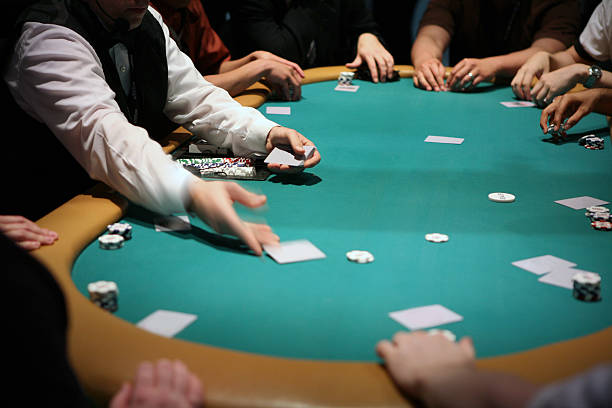
This psychological distancing is further enhanced by the vibrant colors and tactile feedback associated with casino tokens. In online settings, the visual cues of spinning reels, flashing lights, and sound effects serve to heighten excitement and distract from the statistical reality of the house edge. Understanding this dynamic is crucial for any player aiming to maintain discipline. The brain processes these sensory inputs as rewards, triggering dopamine releases that encourage continued play even during losing streaks. Recognizing this mechanism is the first step toward developing a more rational approach to gaming.
Cognitive Biases in Slot and Table Game Engagement
One of the most pervasive cognitive biases in casino gaming is the Gambler’s Fallacy, where players believe that past independent events influence future outcomes. For instance, after a series of losses on a slot machine, a player might feel convinced that a win is “due,” despite the random number generator having no memory of previous spins. This misconception leads to increased betting and prolonged session times, often resulting in greater losses. Effective strategy involves acknowledging the independence of each game round and accepting that luck is a non-linear force.
Another critical factor is the Near-Miss Effect, particularly prevalent in modern video slots and live dealer games. When a game displays symbols that are one step away from a jackpot combination, the brain registers this almost-success as a positive reinforcement signal, similar to an actual win. This phenomenon keeps players engaged and motivated to continue playing, as it creates a false sense of progress. Smart players understand that near-misses are designed to extend playtime and should not be interpreted as indicators of impending success, allowing them to set strict limits on their sessions.
Bankroll Management Through Psychological Discipline
Successful gambling strategy relies less on predicting outcomes and more on rigorous bankroll management governed by psychological self-control. Setting predefined loss limits and win goals helps anchor a player’s decision-making process, preventing emotional reactions from dictating bet sizes. When players treat their bankroll as a fixed budget for entertainment rather than an investment opportunity, they are less likely to chase losses. This mindset shift is essential for maintaining financial stability while enjoying the thrill of the games available at licensed operators.
Furthermore, understanding the concept of expected value (EV) can help players make more informed choices about which games to play. While all casino games have a built-in house edge, some offer better return-to-player (RTP) percentages than others. By focusing on games with higher RTPs and lower volatility, players can extend their playing time and reduce the risk of rapid depletion of funds. This analytical approach contrasts sharply with impulsive betting driven by the desire for quick riches, fostering a more sustainable and enjoyable gaming experience over the long term.
The Role of Bonuses in Shaping Player Behavior
Online casinos utilize various bonus structures to influence player behavior and enhance engagement. Welcome packages, such as those offering substantial match deposits and free spins, are designed to give new players a larger initial bankroll to explore the platform. These incentives tap into the scarcity and gain bias, making players feel they are receiving something valuable for free. However, it is crucial to read the terms and conditions carefully, as wagering requirements can significantly impact the real value of these bonuses and affect withdrawal capabilities.
Reload bonuses and cashback offers also play a significant role in retaining existing players by mitigating the feeling of loss. A 6% cashback offer, for example, provides a safety net that encourages continued play by returning a portion of lost funds. This feature appeals to the loss aversion principle, where people prefer avoiding losses over acquiring equivalent gains. Players who understand the strategic use of these promotions can maximize their entertainment value while minimizing net expenditure, provided they adhere to responsible gaming practices and do not let the promise of rebates lead to excessive wagering.
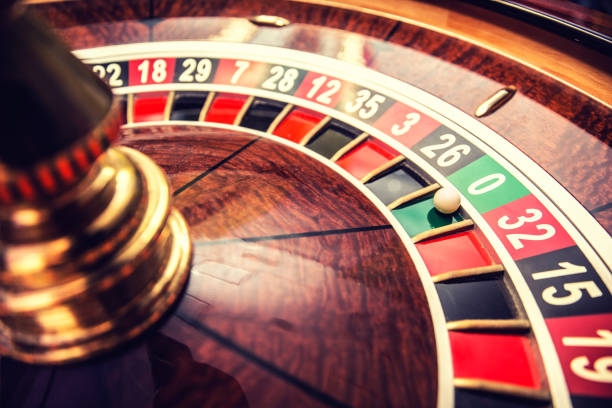
WinBeast: A Secure Platform for Strategic Play
WinBeast is a Curaçao-licensed online casino established in 2025, offering a library of over 8,000 games from more than 50 providers, including slots, table games, and live dealer tables. New players can access a Welcome Pack worth up to €5,000 plus 500 free spins spread across their first five deposits, alongside weekly reload bonuses and a 6% cashback offer. The platform supports both traditional methods like Visa and Mastercard, as well as cryptocurrencies such as BTC, ETH, LTC, and USDT, with minimum deposits starting at €20 or 0.0001 BTC. Withdrawal limits are set at €4,000 daily, €8,000 weekly, and €30,000 monthly for EUR, USD, GBP, and USDT currencies, with processing typically completed within 24 hours. WinBeast emphasizes responsible gaming through tools like deposit limits and self-exclusion, backed by 24/7 live chat support for assistance.